
Treatment Methods
Clinical Modalities & Advanced Movement Diagnostics
Gait and Posture Analysis
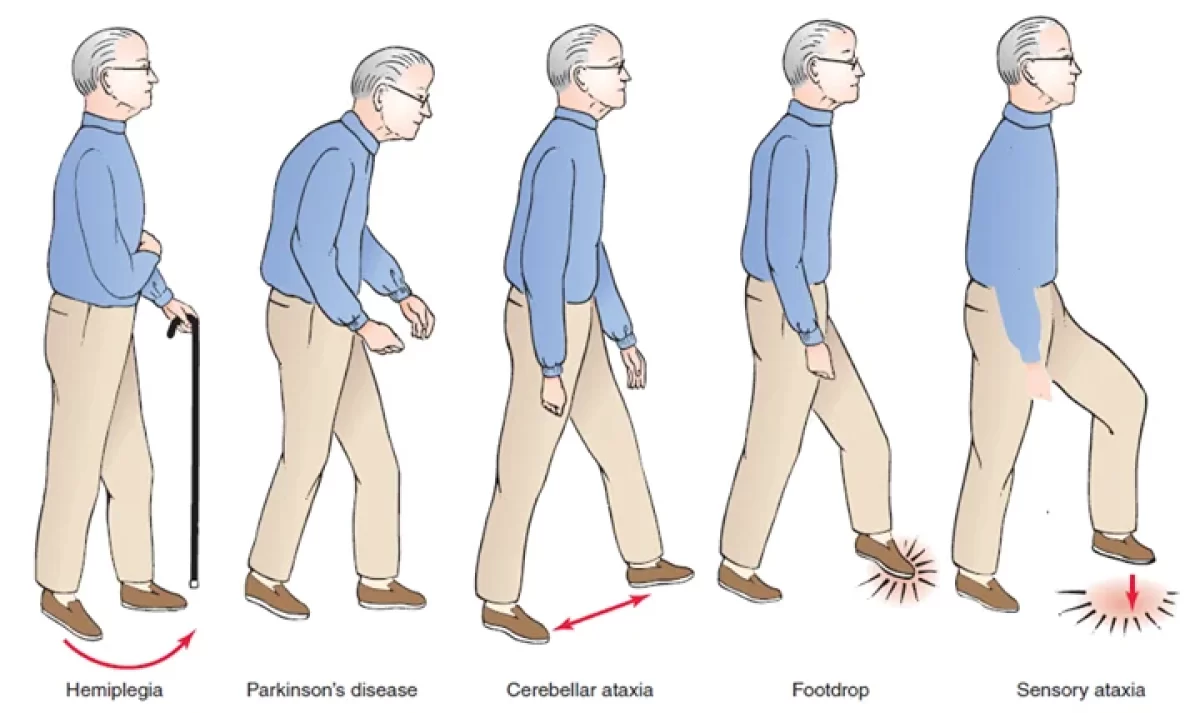
Fundamental movements like walking and standing are typically automatic and require minimal attention. However, when a part of the kinetic chain is impaired, compensatory movements can emerge, potentially causing pain and mobility issues. In our clinic, we carefully observe and identify subtle abnormalities in movement patterns. By analyzing your gait and posture, we can design targeted interventions to restore proper biomechanics and improve your overall mobility.
Exercise prescription
Rehabilitation is an active process that involves modifying pain-aggravating behaviors and addressing tight and weak areas through exercise. Recognizing the significance of exercise and integrating it into your daily routine are essential for achieving success.
Manual Therapy
Hands-on assessment and treatment of how muscles and bones interact to produce joint movement. Following injury, factors like swelling, guarding, and scar tissue formation can impact the range and strength of movement. Manual therapy techniques are utilized to optimize joint movement, laying the groundwork for subsequent exercises aimed at strengthening the affected area.
Neurofunctional Acupuncture/electro-acupuncture
Neurofunctional acupuncture, also referred to as Contemporary Medical Acupuncture, is an advanced 300-hour continuing education program available at McMaster University. This precise technique involves stimulating peripheral nerves with fine acupuncture needles inserted into specific anatomical sites to modulate abnormal nervous system activity, alleviating pain and muscle guarding. Beyond its local effects, this approach can also influence systemic functions such as the endocrine, exocrine, and immune systems. Considered an extension of our hands, this method enables us to reach deep structures within the body, enhancing its therapeutic potential.